How Concerned Are You About Pollution in the Cloud?
What is cloud pollution? Cloud pollution refers to the environmental impact and greenhouse gas emissions generated by the massive data centers required to power cloud computing, mobile applications, and digital storage. These data centers consume extraordinary amounts of electricity, often relying on fossil fuels, which contributes significantly to global carbon footprints. As our reliance on digital media grows, the tech industry is increasingly shifting towards green energy and LEED-certified facilities to mitigate these environmental effects.
The Data Center: The New Factory of the Digital Age
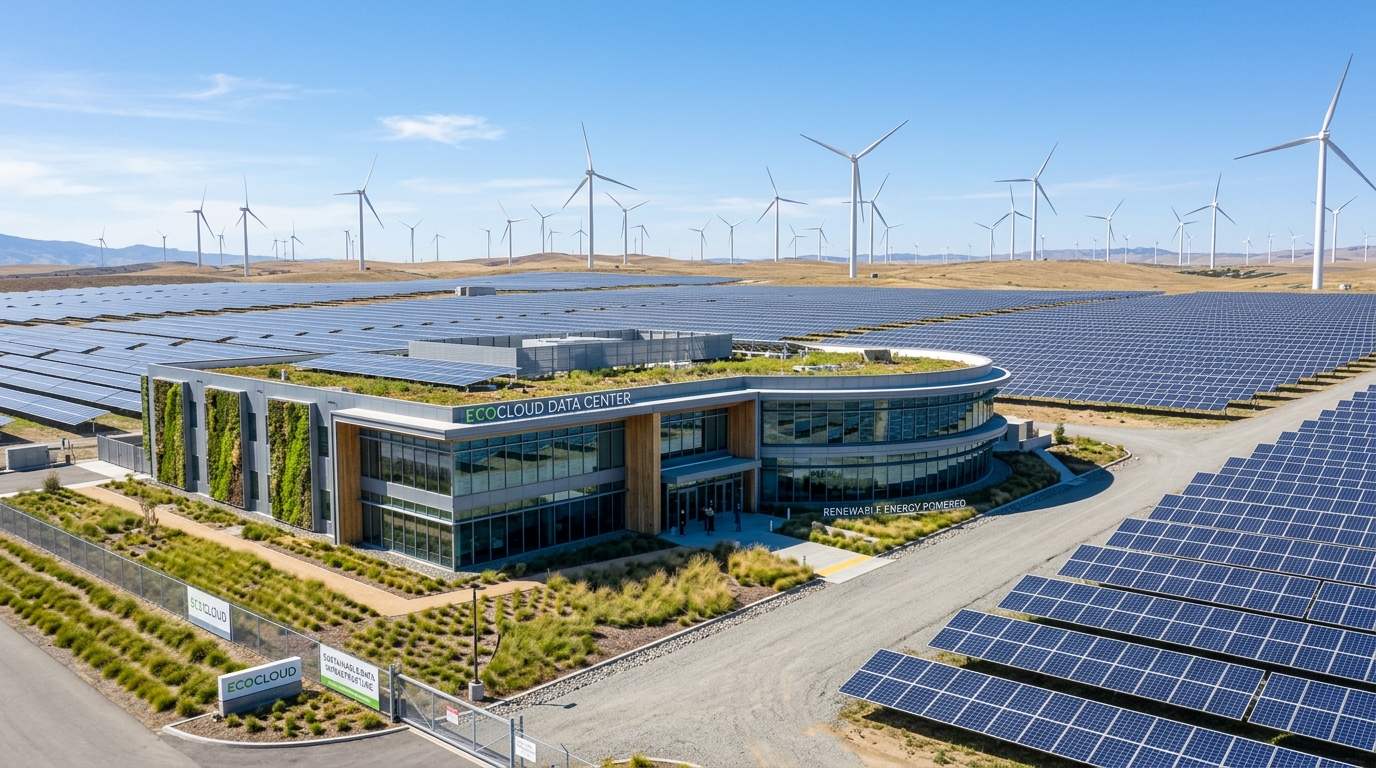
The data center is the new factory of the digital age. And like any factory, it poses a paradox: A data center pollutes but it also powers the servers that we use to connect.
People use the cloud for apps, for computing, storage and any number of other uses. The cloud is convenient, helps get our work done and is increasingly important in our culture.
These factors also drove the industrial age. Cars made our lives convenient. So did televisions and airplanes. We built factories to provide us with these aspects of modern life.
The difference today is how we view data centers and the way they pollute. Greenpeace is pushing this conversation with its campaign directed at Facebook to make its data centers greener.
Environmental Impacts and Community Power Consumption
Data center pollution raises questions for us about cloud computing and what the abundance of media means for our environment. More photos, more apps and more video means higher demand for data centers. Those data centers consume power that is often multiple factors higher than what the community uses. For example, in Oregon, the community of Prineville is getting a new substation to handle the amount of electricity Facebook is expected to generate with its new data center.
It's also creating a new awareness about the impacts these data centers have on the environment. With that awareness is coming a new generation of green and LEED certified data centers. The focus is shifting towards renewable energy sources and more efficient cooling methods.
LEED Certification and eBay's Topaz Data Center
eBay opened a new data center in Utah last May that now has LEED Gold certification. LEED stands for Leadership in Energy & Environmental Design. There are a number of data centers that are starting to use LEED as a guide to reduce their carbon footprint.
According to eBay, Topaz won the award for having the following characteristics:
- The collection of rainwater to offset city water use.
- The ability to use low outside air temperatures to reduce electrical costs for cooling our servers.
- The use of low emitting materials throughout construction.
- The use of over 20% recycled and regional building materials in the facility construction.
- The use of a chemical-free water treatment system.
- Best practice heating ventilation design for office space comfort.
Data center construction will not stop. How we manage data centers will determine the amount of pollution we actually create as we go about taking advantage of the conveniences the Internet offers.
The Future of Green Cloud Computing
As we move deeper into the digital era, the demand for cloud storage and computing power will only accelerate. To combat the rising tide of cloud pollution, major tech companies are investing heavily in renewable energy projects, such as solar and wind farms, to offset their massive energy consumption. This shift towards a "green cloud" is not just an environmental imperative; it is also becoming a core business strategy. Consumers and enterprise clients alike are increasingly demanding transparency regarding the carbon footprints of their digital service providers.
Furthermore, innovations in hardware efficiency, artificial intelligence-driven cooling systems, and advanced server utilization are helping to maximize output while minimizing power draw. The industry must continue to collaborate, sharing best practices and pushing for stricter environmental regulations to ensure that our digital expansion does not come at the cost of our planet's health.
Additionally, the concept of a circular economy is taking root in the data center industry. This involves recycling and repurposing old server hardware rather than sending it to landfills, significantly reducing electronic waste. By prioritizing both energy efficiency and responsible hardware lifecycle management, the technology sector can pave the way for a more sustainable digital future.
Frequently Asked Questions about Cloud Pollution
What exactly is cloud pollution?
Cloud pollution refers to the carbon emissions and environmental impact caused by the massive data centers that power cloud computing. These facilities require vast amounts of electricity to run servers and cooling systems 24/7.
How can data centers reduce their environmental impact?
Data centers can reduce their impact by transitioning to 100% renewable energy, implementing advanced cooling technologies, designing facilities to meet LEED certification standards, and improving hardware efficiency.
What is LEED certification for data centers?
LEED (Leadership in Energy and Environmental Design) certification is a globally recognized symbol of sustainability achievement. For data centers, it means the facility has been designed and built using strategies aimed at improving performance across metrics like energy savings, water efficiency, and CO2 emissions reduction.