Featured Snippet Summary: The DIYDA workshops at DingFabrik offer an exciting blend of traditional and modern fabrication. Attendees learn the hands-on art of custom stamp making while also exploring advanced digital manufacturing through live 3D printing demonstrations using MakerBot technology. It is a collaborative community event designed to foster creativity and networking among makers.
Exploring the DingFabrik Maker Space
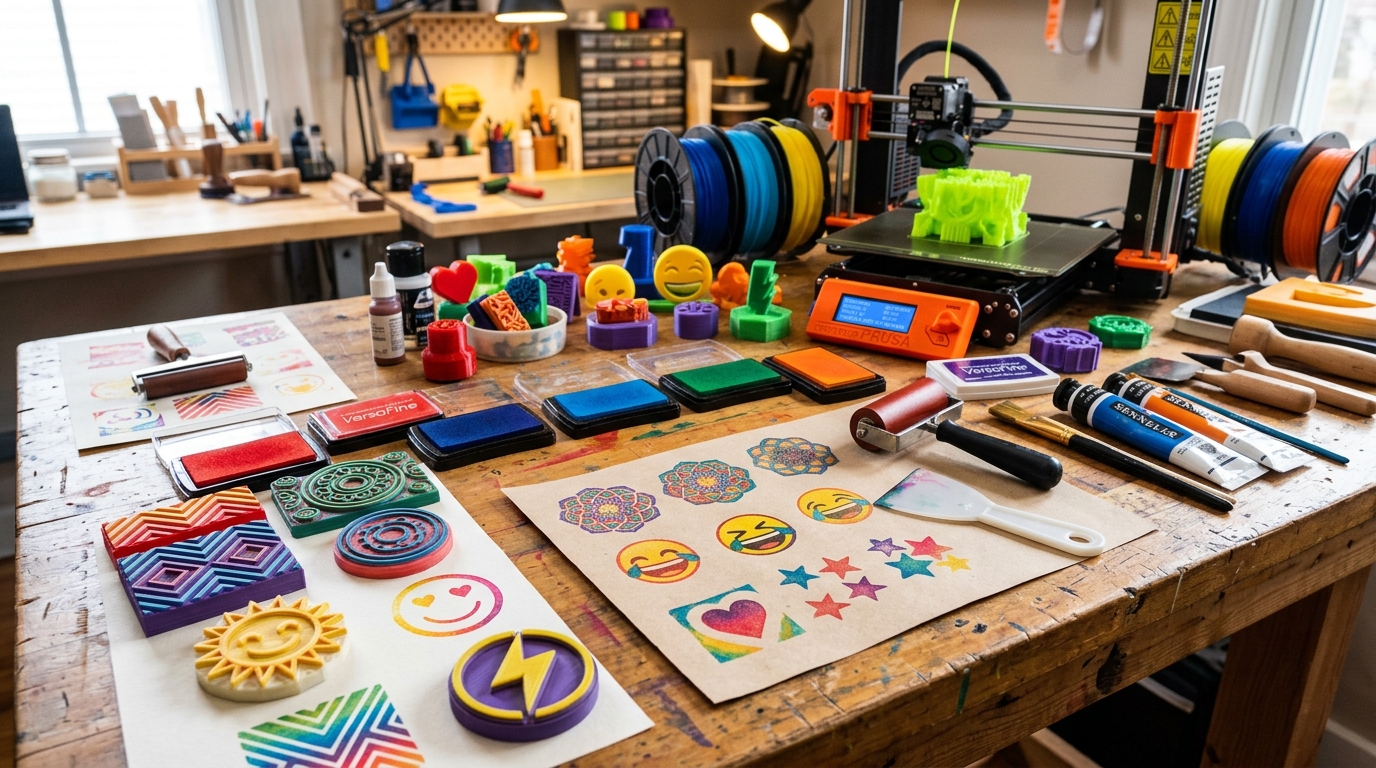
Today there were two workshops in the rooms of the DingFabrik: Kathrin showed how to make your own stamps and Fabienne and Wim brought their MakerBots. I spend most of the time socializing at the stamps workshop, and also tried to actually make my own 'Pacman' stamp.  The amount of visitors really surprised me, there were some interesting people around who were attracted by the idea behind our fablab and may want to join us.
Visual Highlights from the Event
We captured several moments from the workshops showing the fantastic DIY work and the creative process in action.
Deep Dive: The Art of Stamp Making
The stamp making session led by Kathrin provided participants with a unique opportunity to step away from digital screens and engage in tactile, hands-on artistry. Using carving tools, linoleum blocks, and rubber materials, attendees learned the foundational techniques of relief printing. The process involves transferring a drawn design onto the block, carefully carving away the negative space, and applying ink to produce a clean, repeatable image. This traditional method of reproduction contrasts beautifully with the digital fabrication happening in the adjacent room, highlighting the diverse skill sets fostered within our maker community.
Materials and Techniques
Beginners quickly discovered that stamp making requires patience and a steady hand. The materials provided included soft rubber blocks that are easier to carve than traditional linoleum, making it an ideal starting point for novices. Participants experimented with different carving profiles to achieve varying line weights and textures. The satisfaction of pressing the inked stamp onto paper and revealing the final design was a shared highlight of the evening.
Advancements in 3D Printing with MakerBot
In parallel to the traditional crafts, Fabienne and Wim demonstrated the capabilities of their MakerBot 3D printers. These machines represent the forefront of accessible digital fabrication. By heating thermoplastic filament and extruding it layer by layer, the MakerBot translates digital 3D models into physical objects. The demonstration demystained the technology for many attendees, showing both the mechanical components—such as the extruder and stepper motors—and the software workflow required to slice and prepare models for printing.
Building a Community Around Open Source Hardware
The presence of the MakerBots sparked numerous conversations about open-source hardware and the future of decentralized manufacturing. Many visitors were inspired by the fact that these complex machines could be assembled and calibrated by hobbyists. The secondary MakerBot, constructed from laser-cut acrylic parts, served as a perfect example of the self-replicating ethos of the maker movement. It demonstrated that with the right tools and a collaborative environment, anyone can build machinery capable of sophisticated fabrication.