Cloud computing simplifies enterprise IT infrastructure by delivering scalable software, storage, and processing power over the Internet. It reduces costs, improves flexibility, and accelerates innovation for businesses of all sizes worldwide. This guide breaks down the essential concepts through visual data.
There are any number of ways to look at cloud computing today. As digital transformation takes hold across multiple industries, leaders are seeking clarity on how these systems operate. 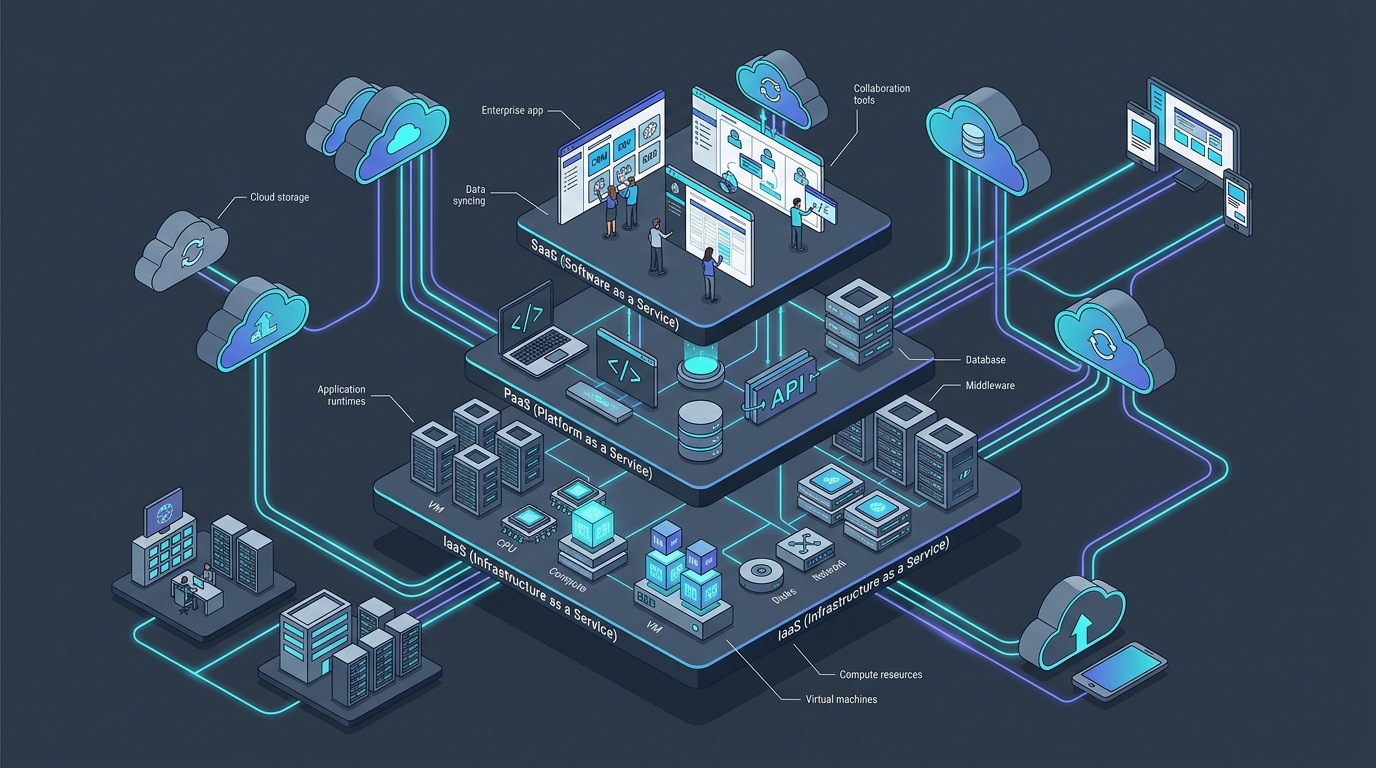 Three insightful infographics illustrate how differently the subject is viewed across the global tech industry.
These engaging works demonstrate the vast diversity of the communities interested in cloud computing. All three visual guides appeal to people with little or no technical knowledge about the topic, while still offering significant value to experienced IT professionals who need to communicate these concepts to stakeholders.
By transforming dense, technical data into easily digestible visual formats, infographics play a crucial role in education and software adoption. GetApp.com recently posted these insightful infographics. Let's take a closer look at what they reveal about the future of cloud technology and data management.
Zenoss: The State of Cloud Infrastructure
Zenoss provides advanced cloud monitoring tools that help organizations maintain uptime and optimize their digital performance. In this comprehensive visual example, the company looks at cloud computing by exploring where it is today, its profound impact on the overall commercial market, and how it has rapidly evolved over the past several years to become a foundational technology for modern businesses.
Understanding infrastructure evolution is critical for any enterprise planning to migrate their legacy systems. The visual data highlights the transition from localized physical servers to dynamic, distributed network solutions that provide unprecedented reliability.

Cloud Hypermarket: Enterprise IT Spending
Cloud Hypermarket is an IT broker based in the United Kingdom. Its premium services provide enterprise customers with the capability to effectively compare and successfully implement scalable cloud services within their complex organizations.
With a unique, data-driven perspective on global IT spending, Cloud Hypermarket looks at the direct financial benefits of cloud computing and its critical connection to the enterprise bottom line. Cost reduction, operational efficiency, and rapid deployment are central themes explored in this visual breakdown.
By leveraging external hosting solutions, companies can avoid massive upfront capital expenditures and shift toward a predictable, subscription-based operating expense model. This agility allows for more competitive strategies in fast-paced markets.
Wikibon: Explaining Software as a Service (SaaS)
Wikibon is a vibrant, collaborative community for dedicated IT professionals seeking to expand their technical knowledge and share industry best practices. Their research frequently highlights emerging trends in the digital space.
The company takes a fundamental, basic look at cloud computing by explaining Software as a Service (SaaS), detailing how subscription-based delivery models are fundamentally transforming traditional software licensing. Instead of purchasing physical installation media or rigid perpetual licenses, organizations can now access continuously updated software directly through their web browsers.
This approach democratizes access to enterprise-grade tools, allowing small businesses to utilize the same powerful software suites that were once exclusively available to massive corporations.
Conclusion on Cloud Data Visualization
Cloud computing is still an unfamiliar topic to most people outside of the technology sector. That's highly evident in the necessity for these educational infographics. We'll see how complex information is visualized a year from now as people become more knowledgeable about cloud computing and its practical uses in the work they do every day. Expanding your understanding of SaaS platforms, virtual infrastructure, and enterprise IT strategy is absolutely crucial for remaining competitive in today's rapidly evolving digital economy.
Frequently Asked Questions About Cloud Computing
What exactly is cloud computing?
Cloud computing is the delivery of essential computing services—including secure servers, flexible storage, powerful databases, networking infrastructure, reliable software, and intelligent analytics—over the Internet. This model offers faster innovation, highly flexible resources, and vital economies of scale for businesses of any size.
What is Software as a Service (SaaS)?
Software as a Service (SaaS) is a highly efficient method for delivering modern software applications over the Internet. Applications are provided on demand and typically operate on a flexible subscription basis, which effectively eliminates the need for complex, time-consuming local installations and manual updates.
How does the cloud impact enterprise markets?
Cloud computing significantly impacts the modern enterprise market by drastically reducing on-premises IT infrastructure costs, enabling seamless remote work capabilities across global teams, and providing highly scalable software solutions that support continuous, uninterrupted business growth.